
| Duration: | • Academic Training: 3 months |
|---|---|
| Entry Requirements: | • National Diploma or Degree in Electrical Engineering, Electronic Engineering, Mechatronics, or a related engineering qualification OR Electrical Trade. (depending on the institution). |
| Accreditation: | South African Maritime Safety Authority (SAMSA) |
ETO – SAMSA STCW Bridging Programme
Course Description: The Electro-Technical Officer (ETO) SAMSA Bridging Programme is designed for qualified electricians, electrical engineers, electronic engineers, or related professionals who wish to transition into the maritime industry as Electro-Technical Officers.
The programme bridges the gap between land-based electrical qualifications and the specialised knowledge and competencies required to work on board ships. It includes maritime theory, practical training, and mandatory STCW safety courses to meet the requirements of the South African Maritime Safety Authority (SAMSA) and the International Convention on Standards of Training, Certification and Watchkeeping for Seafarers (STCW).
| Duration: | • Academic Training: 3 months |
|---|---|
| Entry Requirements: | • National Diploma or Degree in Electrical Engineering, Electronic Engineering, Mechatronics, or a related engineering qualification OR Electrical Trade. (depending on the institution). |
| Accreditation: | South African Maritime Safety Authority (SAMSA) |
R61,500.00
Course Structure
The programme consists of theoretical learning, practical training, and workplace experience.
Knowledge Modules
Learners study topics such as:
- Marine Electrical Systems
- Marine Electronic Systems
- Power Generation and Distribution
- Electrical Machines
- Automation and Control Systems
- Programmable Logic Controllers (PLCs)
- Instrumentation and Sensors
- High Voltage Safety
- Electrical Fault Finding and Diagnostics
- Marine Communication Systems
- Safety Management Systems
- Fire Prevention and Fire Fighting
- Personal Survival Techniques
- Personal Safety and Social Responsibilities (PSSR)
- Maritime Legislation and STCW Requirements
- Environmental Protection and Pollution Preventio
Practical Skills Modules
Learners develop practical competencies in:
- Electrical installation and maintenance
- Fault finding and repairs
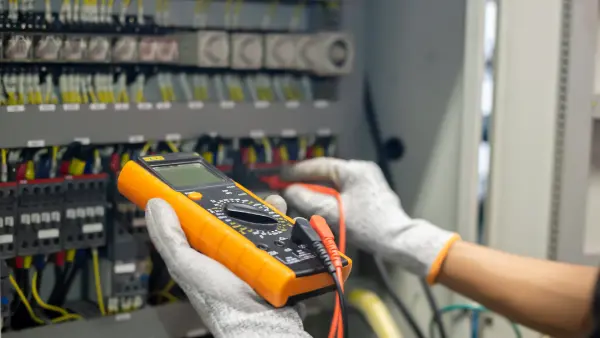
- Electrical testing and measurement
- Motor control systems
- Generator maintenance
- High voltage operations
- Automation and PLC programming
- Marine electrical equipment servicing
- Preventive maintenance
- Workshop safety practices
- Emergency response procedures
- Firefighting practical exercises
- Survival craft and life-saving appliance drills
Work Experience Modules
The STCW convention and SAMSA requires a total of at least 12 – 36 months approved sea service in the engine room of vessels over 750 kW propulsion power documented in an approved training record book.
Career Opportunities
After successful completion of the programme, graduates may pursue careers as:
- Electro-Technical Officer (ETO)
- Assistant Electro-Technical Officer
- Marine Electrical Technician
- Marine Electronics Technician
- Shipboard Electrical Maintenance Officer
- Marine Automation Technician
- Offshore Electrical Technician
- Electrical Engineer (Marine Industry)
- Port Electrical Technician
- Maritime Technical Support Specialist
- Offshore Oil and Gas Electrical Technician
- Marine Service Engineer
Graduates may find employment with:
- Merchant shipping companies
- Cruise lines
- Offshore oil and gas companies
- Ship management companies
- Ship repair and maintenance companies
- Ports and harbour authorities
- Marine engineering companies
- Government maritime agencies
- International shipping organisations




Disclaimer: * Prices quoted are PER PERSON ** Lecture/On-Site Courses may be cancelled or rescheduled if minimum course numbers are not met. *** All prices are subject to change without notice. Whilst every effort is made to provide you with the most accurate, up-to-date information, occasionally an item may be incorrectly priced or a price may require updating due to circumstances outside of our control or if changes or improvements are implemented.